
What is a livery service? It is a TLC-licensed community car service — the neighborhood “car service” with a local phone number, dispatching prearranged rides from a licensed base. It is one of three for-hire categories the NYC Taxi and Limousine Commission regulates, and the one rule that defines it: a livery cannot pick up street hails.
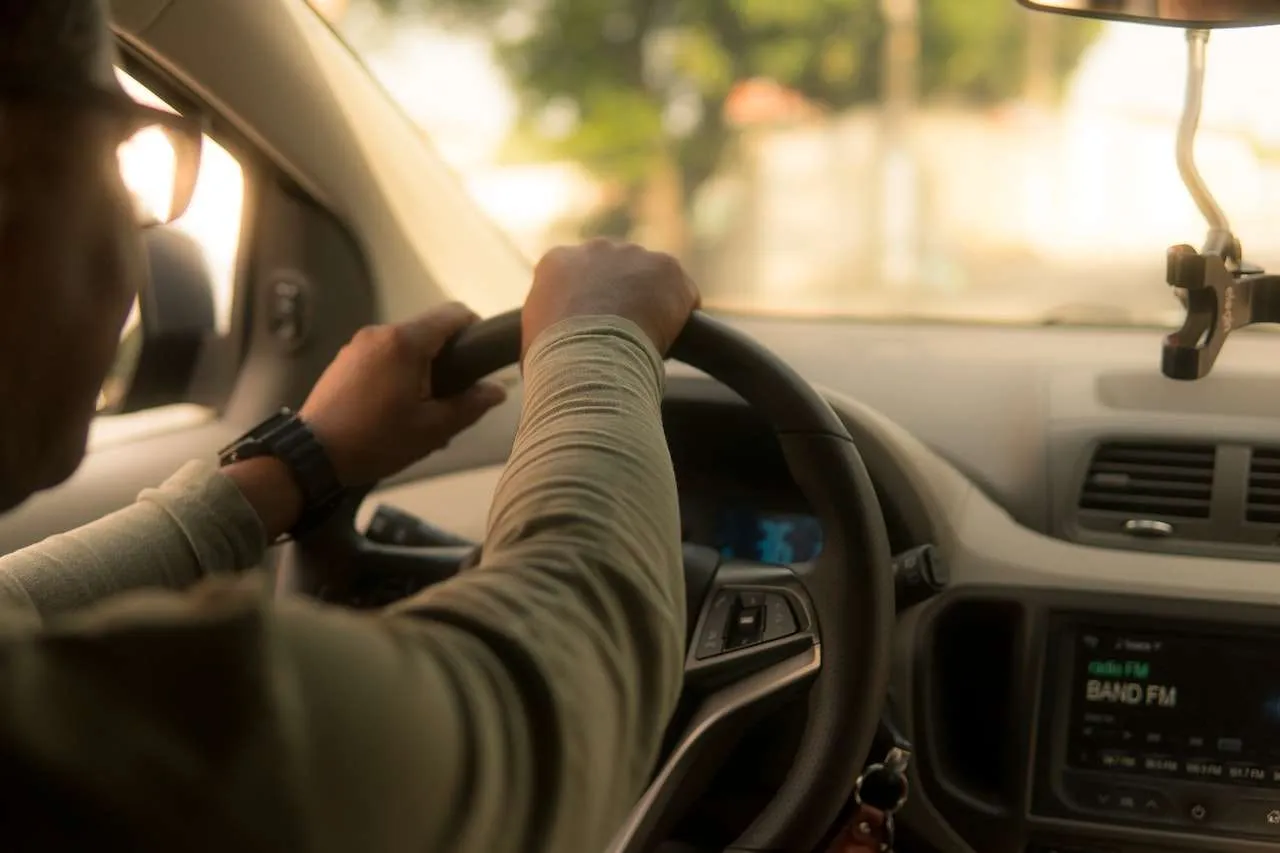
What Is a Livery Service? The TLC Definition
The TLC licenses for-hire bases in three flavors: black car bases, livery bases (also called base stations or community car services), and luxury limousine bases. A livery base is the classic outer-borough car service — the dispatcher on Flatbush Avenue or Fordham Road who has served the same zip codes for thirty years. Its vehicles are for-hire vehicles: TLC-plated, driven by TLC-licensed drivers, and dispatched only on a prearranged basis.
“Prearranged” is doing heavy lifting in that sentence, and it completes the answer to what is a livery service: every livery trip must be booked through the base — by phone, app, or in person — before the ride starts. A livery driver who picks up a waving pedestrian is breaking TLC rules, even if the passenger is happy. The trip record has to exist at the base; that record is what separates a legal livery ride from an illegal street hail.
Pricing is set by the base or the app you book through, not by a meter. That is why your regular car service charges the same $18 to the subway every time — the fare is the base’s published rate for the zone, agreed when you call. No meter, no surge math, no negotiation at the curb.
Livery vs. Black Car vs. Yellow Cab
Black cars and liveries are cousins with different clienteles. A black car base does 90%+ of its business on non-cash corporate accounts — the sedans billing law firms and banks. A livery base serves the neighborhood retail trade, cash included. Mechanically they are the same TLC for-hire category; economically they serve different New Yorks. When people ask “what is a livery service,” they usually mean the neighborhood kind.
Yellow and green cabs are the street-hail side of the system. Yellow cabs can pick up hails anywhere in the city; green Boro Taxis can hail in the outer boroughs and northern Manhattan but not below East 96th / West 110th or at the airports. Neither a livery nor a black car can do any of that — prearranged only, always.
Here is the practical upshot: if you called and a car came for you specifically, you rode a for-hire vehicle (livery, black car, or app dispatch). If you raised your hand and it stopped, you rode a medallion taxi. Knowing which one you rode matters when you leave something behind, because the lost-property path starts with the base or the medallion number.
How to Use a Livery Service Well
Use the base directly. Save the dispatcher number of a livery base near home and one near work; regulars get faster pickups because dispatch knows the address by heart. When you call, give a cross street, not just “I’m outside” — livery drivers navigate by landmarks, and a good pickup description cuts five minutes of circling.
Confirm the fare when you book, especially late at night. Most livery bases run flat zone rates, but some add late-night or extra-stop charges; a thirty-second “how much to LaGuardia?” call prevents curbside arguments. And always get a receipt or booking confirmation — the TLC’s passenger bill of rights requires one, and it is your proof of the trip if anything goes wrong.
Finally, respect the boundary that protects you: never get into a livery car you did not order. Licensed livery vehicles carry TLC decals and the base’s name and phone number on the exterior. An unmarked sedan with a driver soliciting at the airport is not a livery service — it is an unlicensed operator, uninsured for your trip, and exactly what the TLC’s enforcement teams target.
