
What is the best way to get from NYC to DC? For most travelers, it is Amtrak — city center to city center, no security theater, no airport commute. But the best choice shifts with your budget, your schedule, and how much luggage you are dragging, so here is the honest comparison.
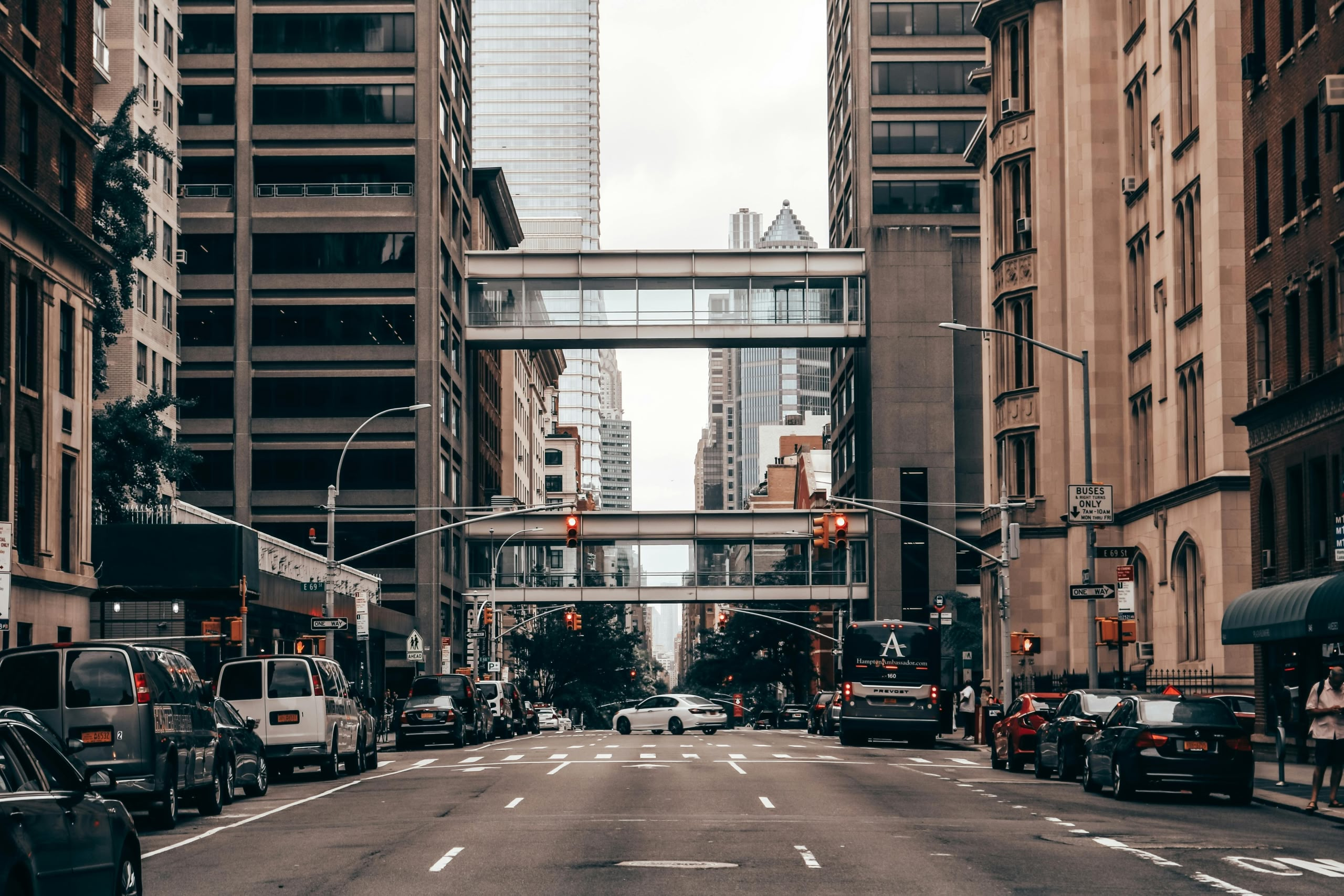
What Is the Best Way to Get from NYC to DC? The Train Wins for Most People
Amtrak’s Northeast Regional covers the 226 miles from New York’s Penn Station to Washington’s Union Station in about three and a half hours, with departures at least hourly through the day. It is the workhorse: big seats, power outlets, Wi-Fi, a cafe car, and two carry-ons plus two personal items free. The Acela is the faster sibling — top speed 160 mph, fastest scheduled runs around 2 hours 45 minutes to just under 3 hours — at a premium fare. When someone asks what is the best way to get from NYC to DC and means the best balance of speed, comfort, and reliability, the Northeast Regional is the answer more often than not.
Book on amtrak.com, in the Amtrak app, or by calling 1-800-USA-RAIL — and book early, because Amtrak uses airline-style dynamic pricing and the cheap buckets sell first. Traveling at off-peak hours and midweek saves real money. Business class buys wider seats and extra legroom; for the Acela, first class adds at-seat meal service. Both trains are all-reserved, so you always have a seat — no standing in the aisle. Luggage is generous: two carry-ons plus two personal items free, with checked baggage available at staffed stations — a quiet advantage over airlines when you are moving real stuff.
Station logistics are simple. In New York you board at Moynihan Train Hall at Penn Station — arrive 20 to 30 minutes before departure, since boarding is usually announced 10 to 15 minutes out. In DC you arrive at Union Station, on top of the Metro’s Red Line with taxis and ride apps at the curb. No security lines, no liquid rules, no arriving two hours early: 30 minutes at the station is plenty, which is a hidden hour saved on each end versus flying.
Bus, Car, and Plane: When Each One Wins
The bus wins on price, full stop. Megabus, Greyhound, and the Chinatown carriers run the corridor in 4 to 5 hours for a fraction of the train fare — sometimes under $20 booked early. The tradeoff is comfort and schedule risk: one crash on I-95 and your 4-hour trip becomes 7. For students and budget travelers, the bus is rational; for anyone on a schedule, it is a gamble. And what is the best way to get from NYC to DC if you are watching every dollar? The bus, booked early, with a book and low expectations — it gets you there.
Overnight buses deserve a mention: several carriers run red-eyes that leave after 11 p.m. and arrive before 5 a.m. — brutal, but they save a hotel night. If you take one, bring a neck pillow and noise-canceling earbuds, and do not plan anything important before noon the next day.
Driving the roughly 225 miles takes 4 to 5 hours in decent traffic, and you get a car in DC — useful if your plans spread across the suburbs, pointless if you are staying downtown where parking is punishing. Flying looks fast at 1 hour 15 minutes gate to gate, but add the airport commutes, security, and boarding on both ends and the train wins door to door for most city-center trips. The plane only wins if you live near the airport and your DC destination is far from Union Station.
Booking Tips for the Corridor
If your dates are fixed, buy the train ticket the moment you know — Northeast Regional fares climb steeply in the last week. If your plans might shift, Amtrak’s Flex fares allow changes without a fee (fare difference still applies), which is cheaper than rebuying. Sit on the left side heading south for the Hudson views out of New York. Traveling with kids? The train wins again — room to move, no seatbelt battles, and the cafe car as a bribe. And what is the best way to get from NYC to DC on a holiday weekend? Whatever you booked three weeks ago — Thanksgiving and Christmas trains sell out, and the bus companies know it.
